
Many British families are surprised to discover that over 60 percent of all UK funerals now involve personalised, non-traditional services. During times of loss, understanding what funeral directors really do becomes vital, especially for those feeling overwhelmed by funeral costs and seeking affordable options like direct cremation. This guide sheds light on the true responsibilities of funeral directors, corrects widespread myths, and helps bereaved families find compassionate support tailored to their needs.
Table of Contents
- Defining Funeral Directors And Common Misconceptions
- Variations In Funeral Director Services Explained
- Key Responsibilities From Death To Committal
- Legal, Ethical, And Safety Obligations In The UK
- Costs, Value, And Comparing Alternatives
- Supporting Families: Guidance And Emotional Care
Key Takeaways
| Point | Details |
|---|---|
| Understanding the Role of Funeral Directors | Funeral directors provide comprehensive services that involve legal, logistical, and emotional support during bereavement, rather than merely arranging burials or cremations. |
| Diverse Service Offerings | Services range from traditional funerals to eco-friendly options, allowing families to customise arrangements based on cultural and personal preferences. |
| Emotional Guidance is Crucial | Funeral directors are trained to offer compassionate emotional support, helping families navigate their grief while providing practical assistance throughout the process. |
| Evaluate Costs and Options | When selecting funeral services, families should compare detailed quotes and consider the overall value of included support services, not just the price. |
Defining Funeral Directors and Common Misconceptions
Funeral directors represent far more than the stereotypical black-suited professionals managing deceased individuals. They are compassionate professionals responsible for organising complex funeral services that involve intricate logistical, legal, and emotional considerations. These licensed professionals navigate an incredibly sensitive landscape, supporting grieving families through some of their most challenging moments.
Contrary to popular misconceptions, funeral directors do not simply arrange burials or cremations. Their role encompasses a comprehensive range of responsibilities that extend well beyond physical arrangements. From managing legal documentation and respecting diverse cultural practices to providing emotional guidance, they serve as critical support systems during profound personal transitions. Modern funeral directors are trained professionals who blend administrative expertise with deep emotional intelligence, understanding that each funeral represents a unique personal narrative.
Key responsibilities of funeral directors include coordinating with multiple service providers, preparing necessary paperwork, consulting with bereaved families about their preferences, and ensuring dignified arrangements that honour the deceased’s memory. They must possess remarkable organisational skills, legal knowledge, and remarkable emotional resilience. Funeral directors essentially act as compassionate navigators, guiding families through complex practical and emotional terrains during moments of significant personal loss.
Pro tip: When selecting a funeral director, prioritise professionals who demonstrate genuine empathy, clear communication skills, and a comprehensive understanding of diverse cultural funeral traditions.
Variations in Funeral Director Services Explained
Funeral directors offer a diverse range of services that extend far beyond traditional burial arrangements. Funeral service options vary significantly depending on community needs and cultural backgrounds, reflecting the increasingly personalised approach to memorialising loved ones. These professionals understand that each family’s requirements are unique, and therefore design flexible service packages to accommodate different emotional, cultural, and financial circumstances.
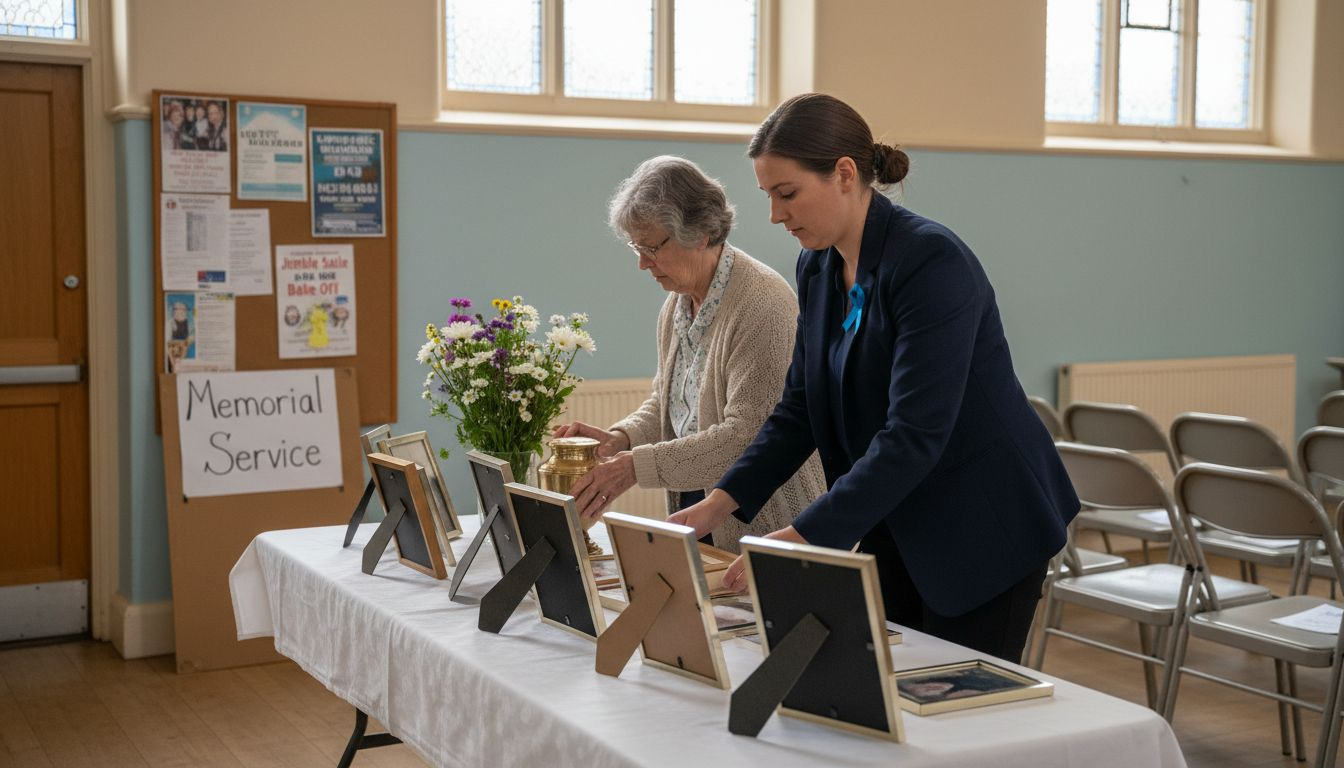
Typical variations in funeral director services include traditional funerals, direct cremations, memorial services, and celebration of life events. Some funeral directors specialise in specific cultural practices, offering tailored services that respect religious traditions, family preferences, and individual wishes. For instance, some may provide Islamic or Hindu funeral preparations, while others might focus on eco-friendly or humanist ceremonies that deviate from conventional approaches.
Modern funeral directors also differentiate their services through additional support mechanisms. Beyond logistical arrangements, many now offer comprehensive grief counselling, legal documentation assistance, and aftercare support for bereaved families. These expanded services recognise that funeral support extends well beyond the day of the service, addressing the complex emotional journey families experience during loss.
Here is a summary of funeral service types and their distinctive aspects:
| Service Type | Key Features | Typical Personalisation |
|---|---|---|
| Traditional Funeral | Formal, venue-based, religious or secular | Choice of readings, hymns, attire |
| Direct Cremation | No service or attendees, swift process | Memorial gatherings after cremation |
| Memorial Service | Held separately from burial/cremation | Locations, themes, guest tributes |
| Celebration of Life | Personal, uplifting, often informal | Unique music, mementos, stories |
| Eco-friendly Ceremony | Uses biodegradable materials | Woodland burial, minimal impact |
Pro tip: When exploring funeral director services, request a comprehensive consultation that outlines all available options, ensuring you understand the full range of support and personalisation possibilities.
Key Responsibilities from Death to Committal
Funeral directors manage an intricate series of responsibilities that commence immediately after a person’s death. They coordinate comprehensive funeral stages from initial family consultations to final service arrangements, ensuring every detail is handled with professional sensitivity and precision. Their role involves navigating complex emotional landscapes while simultaneously managing practical and legal requirements that accompany end-of-life processes.
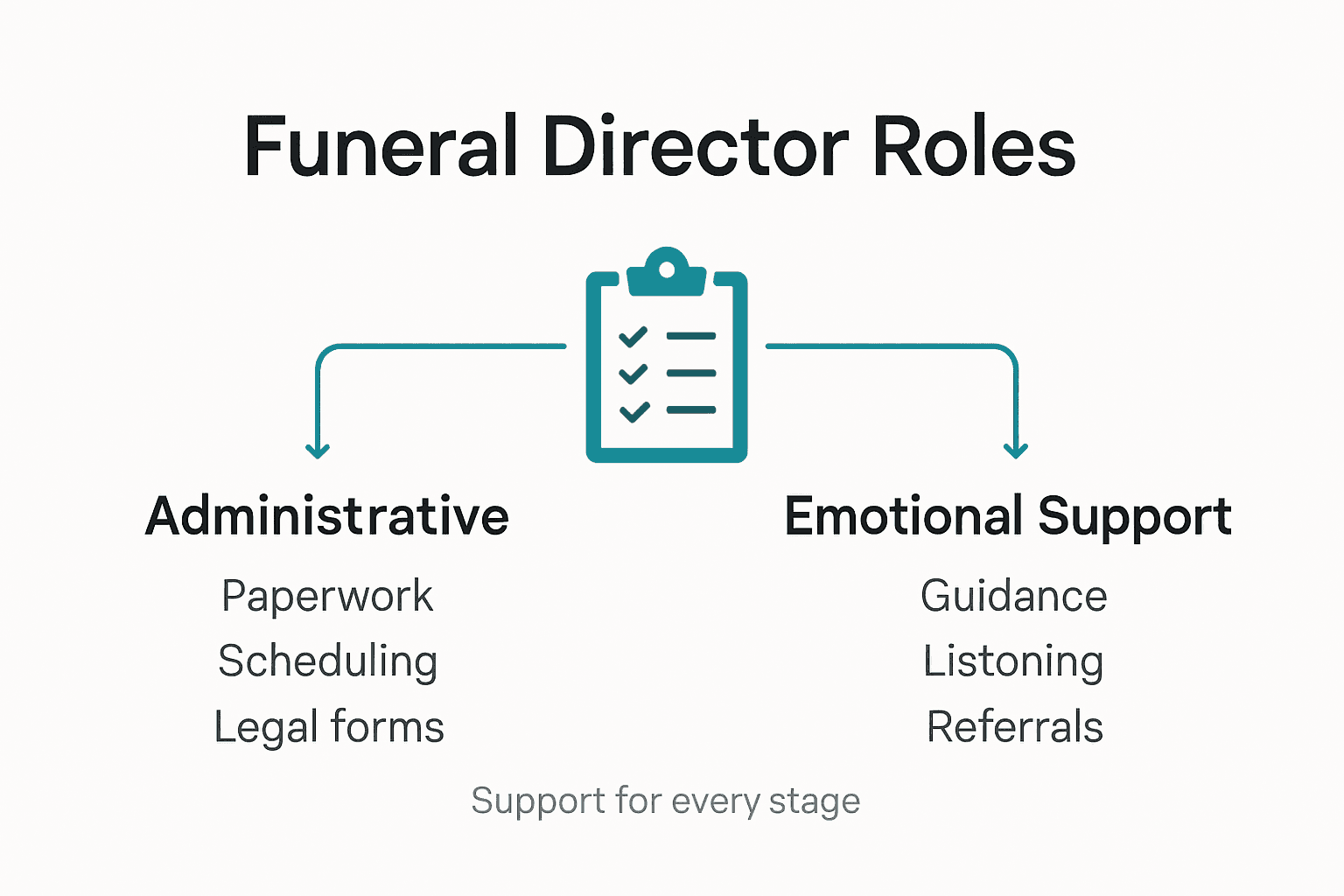
The initial stages involve critical documentation management, including obtaining death certificates, securing necessary permits, and liaising with relevant governmental authorities. Funeral directors meticulously prepare legal paperwork, relieving bereaved families from administrative burdens during their most vulnerable moments. This process requires exceptional organisational skills, attention to detail, and a compassionate understanding of grief’s complexities.
Practical responsibilities extend to physical preparation of the deceased, transportation arrangements, and coordinating viewing or funeral service logistics. Funeral directors work closely with crematoria, cemeteries, religious institutions, and family members to ensure smooth execution of final wishes. Their responsibilities also include preparing the body for viewing, managing transportation of the deceased, and coordinating all elements required for a dignified and respectful committal process.
Compare funeral directors’ core responsibilities at each funeral stage:
| Stage | Administrative Tasks | Emotional Support Roles |
|---|---|---|
| After Death Notification | Registering death, legal documents | Initial guidance and reassurance |
| Planning & Consultation | Paperwork, permits, service booking | Listening, understanding preferences |
| Preparation & Logistics | Body care, transport, scheduling | Ensuring dignity, family comfort |
| Service & Committal | Venue, order of service, coordination | Supporting grief, facilitating rituals |
Pro tip: Request a comprehensive checklist from your funeral director detailing every stage of the funeral process to ensure no critical details are overlooked during this challenging time.
Legal, Ethical, and Safety Obligations in the UK
Funeral directors in the United Kingdom operate within a complex framework of legal and ethical responsibilities that extend far beyond simple service provision. The UK is progressively moving towards statutory regulation to ensure high professional standards in the funeral sector, reflecting an increasing commitment to protecting consumer interests and maintaining professional integrity.
Currently, funeral directors are guided by voluntary codes of conduct administered by professional bodies like the National Association of Funeral Directors (NAFD). These guidelines encompass critical areas such as transparent pricing, respectful treatment of human remains, adherence to health and safety regulations, and maintaining client confidentiality. Ethical obligations require funeral directors to provide impartial guidance, avoid exploitative practices, and ensure that families’ wishes are paramount throughout the funeral arrangement process.
Safety obligations involve multiple dimensions, including proper handling of human remains, maintaining hygiene standards, ensuring dignified transportation, and compliance with public health regulations. Funeral directors must also navigate complex legal requirements surrounding death certification, cremation permissions, and potential cultural or religious considerations. These responsibilities demand not just technical competence, but also profound emotional intelligence and cultural sensitivity when supporting bereaved families through their most vulnerable moments.
Pro tip: Always request a comprehensive outline of a funeral director’s professional credentials and ask about their adherence to industry regulatory standards before finalising arrangements.
Costs, Value, and Comparing Alternatives
Funeral services represent a significant financial investment for bereaved families, with costs that can often create unexpected economic strain. Research highlights the substantial financial burden funerals impose, particularly for families navigating complex economic challenges, underscoring the critical importance of understanding pricing structures and exploring alternative options.
The funeral services market has evolved dramatically, offering increasingly diverse alternatives beyond traditional arrangements. Modern consumers now have access to options ranging from direct cremations and eco-friendly memorials to virtual commemoration services. These innovative approaches not only provide more flexible pricing but also allow families to personalise farewells according to their emotional and financial circumstances. The growing trend emphasises transparency, affordability, and individual choice rather than adhering to rigid, expensive conventional funeral models.
Comparing funeral service alternatives requires careful consideration of several key factors: total cost, included services, personalisation options, and emotional value. While price is crucial, families should also evaluate the comprehensive support provided, including grief counselling, administrative assistance, and cultural sensitivity. Some funeral directors offer package deals, pre-planning options, and payment plans that can significantly reduce financial stress during an already challenging period.
Pro tip: Request detailed, itemised quotes from multiple funeral directors and carefully compare the comprehensive services included, not just the headline price.
Supporting Families: Guidance and Emotional Care
Funeral directors play a critical role in providing comprehensive emotional support during the most challenging moments of grief, extending far beyond traditional administrative responsibilities. Their professional training emphasises not just technical expertise, but profound emotional intelligence that allows them to navigate the complex psychological landscape of bereavement with genuine compassion and sensitivity.
The emotional care provided by funeral directors involves multiple sophisticated approaches. They act as compassionate guides, helping families make difficult decisions while maintaining a delicate balance between professional boundaries and genuine human connection. This involves active listening, validating emotions, offering practical guidance, and creating safe spaces for families to express their profound sense of loss. Professional funeral directors understand that each grief journey is unique, requiring personalised, nuanced support that respects individual emotional processes.
Moreover, funeral directors recognise that emotional support extends beyond the immediate funeral arrangements. They often provide resources for ongoing grief counselling, recommend support groups, and help families understand the complex emotional transitions they will experience. Their role includes educating families about grief’s non-linear nature, helping them recognise that healing is not a straightforward process and that it’s acceptable to experience a wide range of emotions during bereavement.
Pro tip: Do not hesitate to communicate openly with your funeral director about your emotional needs, as they are trained professionals equipped to provide sensitive, comprehensive support during your time of loss.
Discover Compassionate Funeral Services That Truly Support Your Farewell Choices
Losing a loved one brings many challenges, especially when navigating complex funeral arrangements and trying to honour unique wishes with sensitivity and care. The article highlights how funeral directors manage legal, emotional, and logistical responsibilities while offering personalised services like direct cremations, memorials, and eco-friendly ceremonies. If you are seeking an affordable, transparent, and compassionate funeral service provider in the UK, look no further than New Rest Funerals. We understand the importance of flexibility and clear communication during this difficult time.
Choose from our range of options starting from £1,195 with full transparency and expert guidance from our 24/7 response team. Whether you prefer a straightforward direct cremation or want a more personalised celebration of life, our dedicated professionals are here to help you every step of the way. Visit New Rest Funerals now to explore how we can support your family with dignity and respect, providing peace of mind when it is needed most.
Frequently Asked Questions
What are the primary responsibilities of a funeral director?
Funeral directors are responsible for organising a range of services including managing legal documentation, coordinating with service providers, preparing the deceased, and providing emotional support to grieving families throughout the funeral process.
How do funeral directors assist families during the grief process?
Funeral directors offer compassionate guidance, listen to families’ needs, and provide resources for ongoing emotional support such as grief counselling and recommendations for support groups.
What different types of funeral services can directors arrange?
Funeral directors can arrange various types of services including traditional funerals, direct cremations, memorial services, and celebrations of life, tailored to the family’s cultural and personal preferences.
How does the pricing of funeral services vary?
Pricing for funeral services can vary based on the type of service chosen, the complexity of arrangements, and the level of personalisation. It is important to request detailed, itemised quotes from funeral directors to compare the services included.