
More than 60 percent of British families now choose cremation over traditional burial when arranging final farewells. Facing the death of a loved one often brings emotional stress and financial pressure, making quick and affordable decisions feel overwhelming. If you’re seeking a simple process with dignity, understanding immediate cremation helps clarify what’s involved and dispels common myths so you can make the best choice for your family.
Key Takeaways
| Point | Details |
|---|---|
| Immediate Cremation Defined | Immediate cremation allows families to efficiently manage final arrangements without a formal service, focusing on personal remembrance. |
| Legal Requirements | Two independent medical certificates are necessary to ensure a lawful and respectful cremation process, emphasising accountability. |
| Cost Considerations | Immediate cremation can save families between 50% to 70% compared to traditional funerals, making it a financially pragmatic option. |
| Comparative Insights | Immediate cremation offers a simple, cost-effective alternative to traditional funeral services, prioritising practicality over ceremonial elements. |
Immediate Cremation Defined and Common Myths
An immediate cremation is a straightforward funeral option where the deceased is cremated without a formal service or mourners present. This unattended cremation process allows families to handle final arrangements efficiently and cost-effectively, focusing on personal remembrance rather than traditional ceremonial procedures.
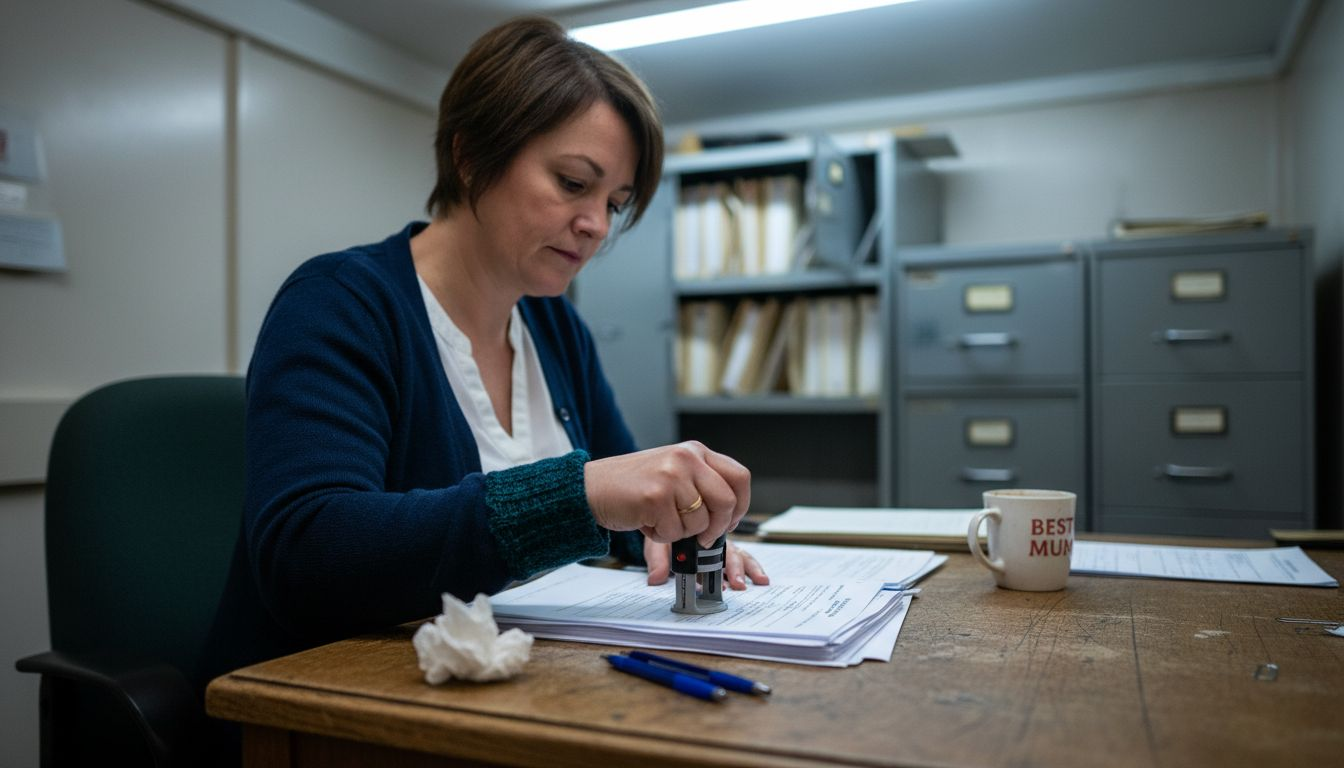
Contrary to common misconceptions, immediate cremation does not diminish respect for the deceased. Cremation remains a popular method of body disposition in the UK, offering practical advantages for grieving families. Many people mistakenly believe this approach lacks dignity or conflicts with religious practices, when in reality it provides a flexible alternative to conventional funeral services.
The process typically involves collecting the deceased from the place of death, transporting them directly to the crematorium, and completing the cremation without a preceding funeral ceremony. Families can choose to receive the ashes afterwards, enabling them to plan a personalised memorial at a time and place that suits their emotional needs and practical circumstances.
Expert Tip: Before selecting an immediate cremation, discuss the decision with close family members to ensure everyone understands and supports the chosen approach.
How Immediate Cremation Works in Practice
In the United Kingdom, an immediate cremation follows a structured and dignified process managed by professional funeral services. Funeral directors carefully collect and transport the deceased without conducting a traditional funeral service, ensuring respectful handling throughout the entire procedure. This approach allows families to manage final arrangements efficiently while maintaining emotional flexibility.
The technical aspects of immediate cremation are governed by strict professional standards. The cremation process involves precise identification procedures and careful management, with crematoriums following comprehensive protocols to guarantee the integrity of the process. The deceased is transported directly to the crematorium in a suitable coffin, with the option for families to receive ashes afterwards and potentially plan a separate memorial event.
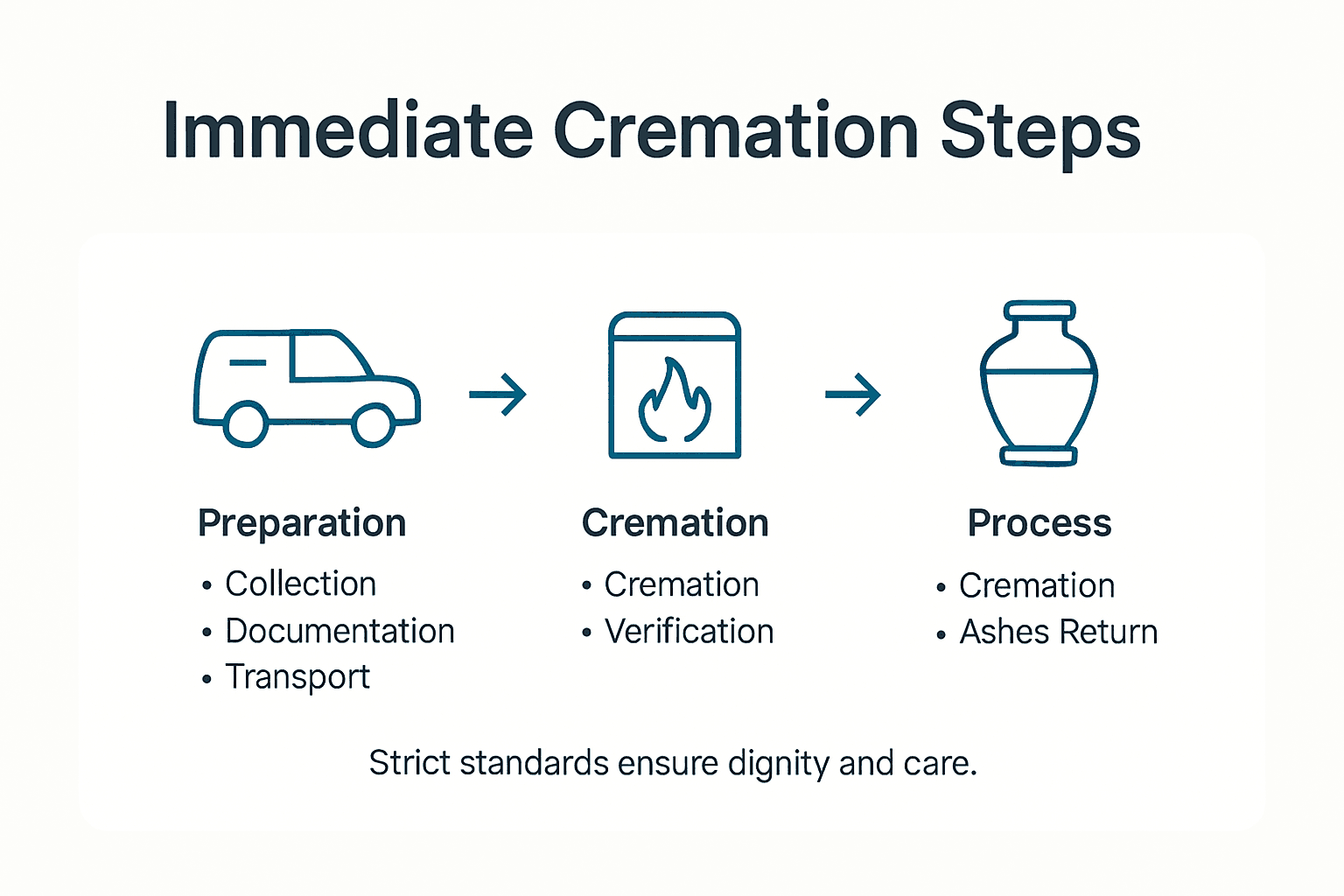
Typically, immediate cremation involves several key stages: initial collection of the deceased, transportation to the crematorium, cremation without a formal service, and subsequent return of ashes to the family. This method offers significant advantages for those seeking a practical, cost-effective approach to final arrangements, particularly for individuals who prefer a simple, no-ceremony disposition.
Expert Tip: Request a detailed breakdown of the cremation process from your chosen funeral provider to understand each step and feel more comfortable with the arrangements.
UK Legal Requirements and Documentation
Immediate cremation in the United Kingdom involves complex legal procedures designed to ensure dignity and proper handling of the deceased. The Cremation (England and Wales) Regulations 2008 establish comprehensive guidelines for cremation processes, mandating specific documentation and verification steps that must be meticulously followed by funeral directors and crematorium staff.
One of the primary legal requirements involves obtaining two independent medical certificates before a cremation can proceed. These certificates must be signed by different doctors: one who attended the deceased during their final illness and another independent physician. This dual-verification process helps prevent potential errors and ensures a transparent, accountable approach to managing final arrangements.
Cremation authorities are legally obligated to maintain strict protocols for identity verification, coffin handling, and secure cremation procedures. The legal framework surrounding cremation in the UK is designed to protect the rights of the deceased and provide clarity for bereaved families, with specific regulations varying slightly between England, Wales, and Scotland. These regulations cover everything from initial documentation to the final cremation process, ensuring that each step is conducted with utmost respect and legal compliance.
The following table summarises the legal requirements for immediate cremation in the United Kingdom:
| Requirement | Description | Impact on Families |
|---|---|---|
| Medical Certificates | Two signed by independent doctors | Ensures safe, lawful procedure |
| Identity Verification | Strict protocols for confirming identity | Prevents errors and protects rights |
| Coffin Handling Standards | Regulated coffin management at crematorium | Guarantees respectful treatment |
| Regional Law Variations | Slight differences between UK nations | Families may need tailored advice |
Expert Tip: Ensure you collect and verify all required medical certificates and legal documents before initiating the cremation process to prevent potential administrative delays.
Costs and Financial Considerations
Immediate cremation represents a financially pragmatic approach to funeral arrangements in the United Kingdom. Statistical data reveals cremation as the dominant choice in UK funerals, primarily driven by cost-effectiveness, with direct cremations offering a notably more affordable alternative to traditional funeral services.
The financial landscape of cremation involves several key considerations. Crematorium fees can exceed £800 due to regulatory requirements, advanced emission control technology, and operational energy costs. These expenses are significantly reduced through immediate cremation, which eliminates elaborate ceremony costs, transportation expenses, and additional service charges. Families can typically expect to save between 50% to 70% compared to traditional funeral arrangements, making this option particularly attractive for those managing tight budgetary constraints.
Beyond the basic cremation costs, families should also factor in potential additional expenses such as urns, memorial services, or ash scattering arrangements. While the upfront cremation costs are lower, it’s crucial to budget for potential subsequent memorialisation choices. Some funeral providers offer package deals that can help manage these potential extra expenses, providing transparency and predictability in an often emotionally challenging process.
Expert Tip: Request a comprehensive, itemised quote from your chosen funeral provider to understand the complete cost structure and avoid unexpected financial surprises.
Comparing Immediate Cremation to Alternatives
Immediate cremation offers a distinct approach compared to traditional funeral arrangements, presenting families with a pragmatic alternative that prioritises simplicity and cost-effectiveness. Unlike standard funeral services, this method eliminates ceremonial elements while providing a dignified final disposition for loved ones, challenging conventional expectations about memorialisation.
When evaluating funeral options, immediate cremation stands out for its efficiency and financial considerations. Traditional burial typically involves significantly higher expenses, including cemetery plot costs, headstone procurement, and elaborate funeral service arrangements. In contrast, immediate cremation reduces these financial burdens, requiring less land use and minimising complex logistical preparations. Alternative methods such as burial or traditional cremation differ substantially in environmental impact, cultural acceptance, and overall cost structure.
Each funeral option carries unique implications for families. Traditional services offer ceremonial closure and opportunity for collective mourning, while immediate cremation provides a more streamlined, private approach. Families must weigh emotional needs against practical considerations, recognising that there is no universal ‘correct’ choice. Factors such as personal beliefs, financial constraints, environmental consciousness, and cultural background all play crucial roles in determining the most appropriate method of final disposition.
Here’s a comparison of funeral options commonly available in the UK:
| Option | Cost Range | Environmental Impact | Ceremonial Elements |
|---|---|---|---|
| Immediate Cremation | £800–£1,200 | Lower emissions, minimal land usage | None, private process |
| Traditional Cremation | £2,500–£4,000 | Moderate emissions | Full funeral service |
| Burial | £4,000–£7,000+ | Highest land use, longer impact | Complete ceremony |
Expert Tip: Discuss your preferences and financial constraints with family members to make an informed decision that respects both emotional needs and practical considerations.
Discover Affordable Immediate Cremation Solutions with Expert Care
Facing the challenge of arranging an immediate cremation can feel overwhelming, especially when managing legal requirements and emotional pressures. This article highlighted key concerns such as understanding the lawful process, reducing costs, and maintaining dignity for loved ones. If you seek a transparent, compassionate, and cost-effective option for immediate cremation in the United Kingdom, our dedicated team at New Rest Funerals is here to guide you. We specialise in quick direct cremations starting from just £1,195, removing unnecessary stress without compromising respect and care.
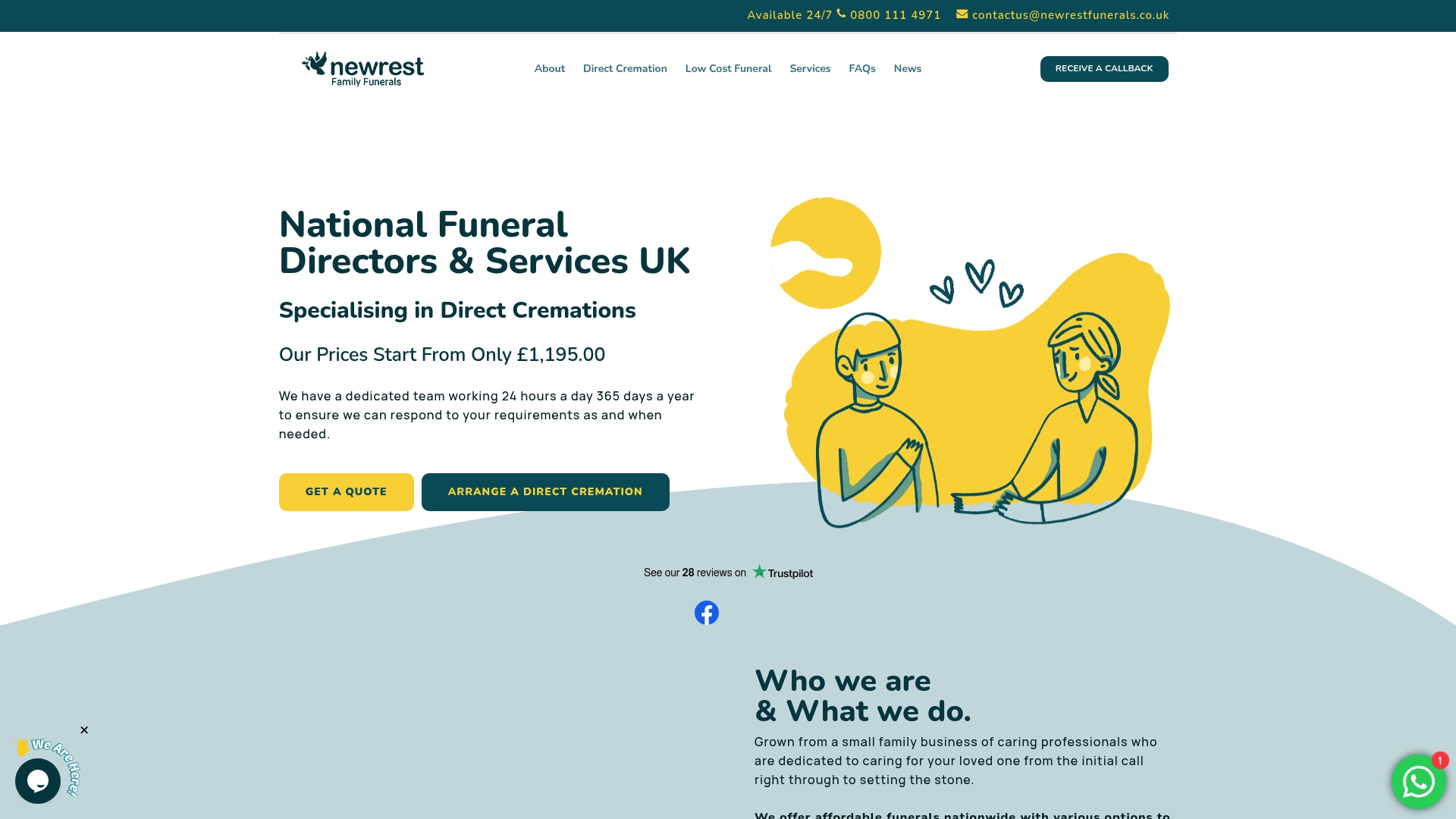
Take control of this difficult time by choosing reliable funeral professionals who prioritise your needs. Visit New Rest Funerals to explore detailed information about our services including direct cremations, legal processes, and transparent pricing. Act now to secure compassionate support available 24/7 and give your loved one the dignified farewell they deserve.
Frequently Asked Questions
What is immediate cremation?
Immediate cremation is a straightforward process where the deceased is cremated without a formal service or the presence of mourners. It allows families to focus on private remembrance and handle arrangements cost-effectively.
How does the immediate cremation process work?
The immediate cremation process involves several key stages: collecting the deceased, transporting them to the crematorium, conducting the cremation without a ceremony, and returning the ashes to the family for later memorialisation.
What are the legal requirements for immediate cremation?
Immediate cremation requires specific legal documentation, including two independent medical certificates, identity verification procedures, and adherence to strict protocols for coffin handling and cremation procedures to ensure dignity and compliance.
How does immediate cremation compare to traditional funeral services?
Immediate cremation is generally more cost-effective than traditional funeral services, as it eliminates the expenses associated with ceremonies, plots, and elaborate arrangements. This makes it an appealing option for families seeking a simpler and more affordable approach.